

Kedai kurma has become a familiar name for those who value the richness of dates and the convenience of wholesale distribution. Dates are not only a fruit but a cultural symbol, a nutritional powerhouse, and a thriving commodity in global markets. Wholesalers play a vital role in ensuring that dates reach households, businesses, and communities across the world. From traditional varieties to modern packaging, the journey of dates reflects both heritage and innovation. In this article, we will explore the relationship between dates and wholesalers, the importance of kedai kurma in connecting supply with demand, and the influence of varieties such as kurma ajwa in shaping consumer preferences.
Wholesalers as the Backbone of Date Distribution
Wholesalers are the unseen force behind the availability of dates in markets worldwide. They purchase in bulk, manage logistics, and ensure that dates are delivered fresh and in good condition. Without wholesalers, the journey from palm groves to dining tables would be fragmented and inefficient.
Kedai kurma thrives in this ecosystem, acting as a bridge between producers and consumers. By offering wholesale options, kedai kurma makes dates accessible to families, retailers, and institutions. This system supports both local farmers and international trade, reinforcing the importance of wholesalers in sustaining the date industry.

The Scale of Wholesale Operations
Wholesale operations involve large quantities, requiring careful management of storage, transportation, and quality control. Kedai kurma ensures that these processes are streamlined, allowing dates to reach diverse markets without losing their flavor or nutritional value.
The Economic Value of Dates in Wholesale Markets
Dates are more than a cultural staple; they are an economic asset. Countries that produce dates rely on wholesalers to distribute them efficiently, generating revenue and supporting agricultural economies. Wholesalers create opportunities for farmers to expand their reach, ensuring that their harvests are valued beyond local consumption.
Kedai kurma contributes to this economic cycle by offering competitive wholesale options. Their role in pricing and distribution reflects the broader dynamics of supply and demand. By balancing affordability with quality, kedai kurma strengthens the economic importance of dates in both local and global contexts.
Kurma Harga and Market Dynamics
Kurma harga represents the pricing aspect of date trade. Wholesalers like kedai kurma manage pricing strategies that reflect both production costs and consumer demand. This balance ensures that dates remain accessible while supporting sustainable farming practices.
Cultural Significance of Dates in Wholesale Trade
Dates hold deep cultural meaning, particularly in Islamic traditions. They are consumed during Ramadan, offered to guests, and celebrated in festivals. Wholesalers play a crucial role in ensuring that these cultural practices are supported by reliable supply.
Kedai kurma recognizes the cultural importance of dates, ensuring that communities have access to varieties that honor tradition. Their wholesale operations are not just about commerce—they are about preserving heritage and reinforcing cultural identity.
Kurma Ajwa in Religious Contexts
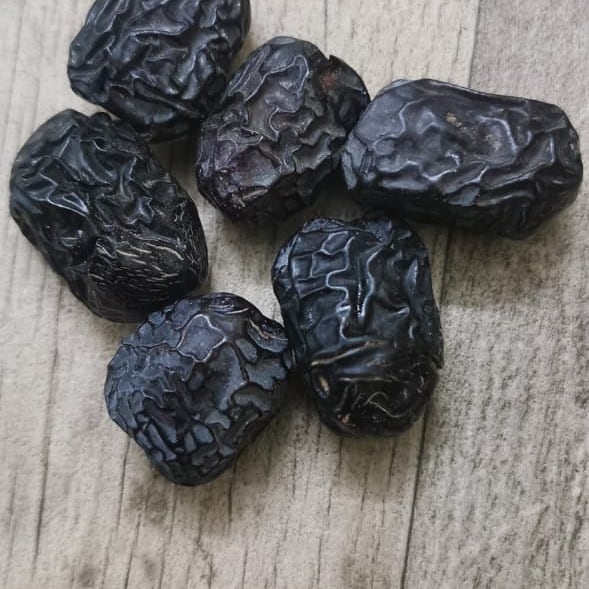
Kurma ajwa is a variety deeply associated with Islamic traditions, often consumed for its spiritual significance. Wholesalers like kedai kurma ensure that this variety is available during religious seasons, reinforcing its role in cultural and spiritual practices.
Nutritional Benefits Driving Wholesale Demand
Dates are celebrated for their nutritional profile, making them a popular choice in health-conscious markets. They provide natural sugars, fiber, potassium, and antioxidants, supporting energy and wellness. This nutritional appeal drives demand in wholesale markets, as consumers seek healthier alternatives to processed snacks.
Kedai kurma emphasizes these benefits, promoting dates as both traditional and modern foods. Their wholesale distribution ensures that communities worldwide can access dates that support health goals, reinforcing the role of nutrition in driving demand.

Dates as Functional Foods
Dates are increasingly marketed as functional foods, offering specific health benefits beyond basic nutrition. Wholesalers like kedai kurma highlight these qualities, positioning dates as superfoods in global markets.
Logistics and Quality Control in Wholesale Trade
Managing the wholesale distribution of dates requires careful attention to logistics and quality control. Dates must be stored properly, transported efficiently, and packaged attractively to meet consumer expectations. Wholesalers invest in infrastructure to ensure that these standards are met.
Kedai kurma prioritizes quality, implementing checks that guarantee freshness and flavor. Their logistics systems ensure that dates reach markets in optimal condition, reinforcing consumer trust and satisfaction.
Packaging Innovations
Modern packaging enhances the appeal of dates in wholesale markets. Kedai kurma invests in packaging that preserves freshness while appealing to consumers, reflecting the importance of presentation in global trade.
Sustainability in Wholesale Date Trade
As demand for dates grows, sustainability becomes a critical concern. Palm cultivation requires resources, and wholesalers must balance production with environmental responsibility. Sustainable practices ensure that date trade remains viable in the long term.
Kedai kurma supports sustainability by promoting eco-friendly farming and packaging. Their wholesale operations emphasize responsible sourcing, appealing to consumers who prioritize ethical and environmental values.
Ethical Trade Practices
Wholesalers who prioritize fair wages and community development gain trust among consumers. Kedai kurma highlights ethical trade practices, reinforcing the cultural and economic value of dates in wholesale markets.

Dates as Global Connectors Through Wholesale
Dates are not confined to regional consumption; they are exported worldwide, connecting communities across cultures. Wholesalers facilitate this global exchange, ensuring that dates reach diverse markets.
Kedai kurma plays a central role in this process, distributing dates to international communities. Their wholesale operations reflect the interconnectedness of cultures and economies, making dates symbols of unity and tradition.
Diaspora Communities and Wholesale Supply
For diaspora communities, dates serve as a link to heritage. Wholesalers like kedai kurma ensure that these communities have access to familiar varieties, reinforcing cultural continuity and comfort.
Future Prospects of Wholesale Date Trade
The future of wholesale date trade looks promising, with demand expected to grow in both traditional and modern markets. Nations are investing in cultivation, branding, and logistics to enhance competitiveness. Wholesalers will continue to play a pivotal role in this evolution.
Kedai kurma is positioned to lead this future, offering innovative wholesale solutions that meet evolving consumer preferences. Their role in connecting producers with consumers ensures that dates remain a leading commodity in global trade.
Innovation and Market Diversification
Innovation in product development, such as date-based snacks and beverages, will drive future growth. Kedai kurma embraces diversification, ensuring that their wholesale operations remain relevant in changing markets.
Conclusion
Dates and wholesalers are inseparable in the story of global trade. Wholesalers ensure that dates reach communities worldwide, supporting both cultural traditions and modern health trends. Kedai kurma stands at the heart of this system, offering wholesale options that balance quality, affordability, and sustainability.
From the pricing dynamics of kurma harga to the spiritual significance of kurma ajwa, specific varieties highlight the diverse roles dates play in wholesale trade. Their presence in culture, health, and economy makes them indispensable, embodying both tradition and innovation. Choosing dates through wholesalers like kedai kurma is not just about enjoying a fruit—it is about participating in a global narrative of heritage, commerce, and shared prosperity.